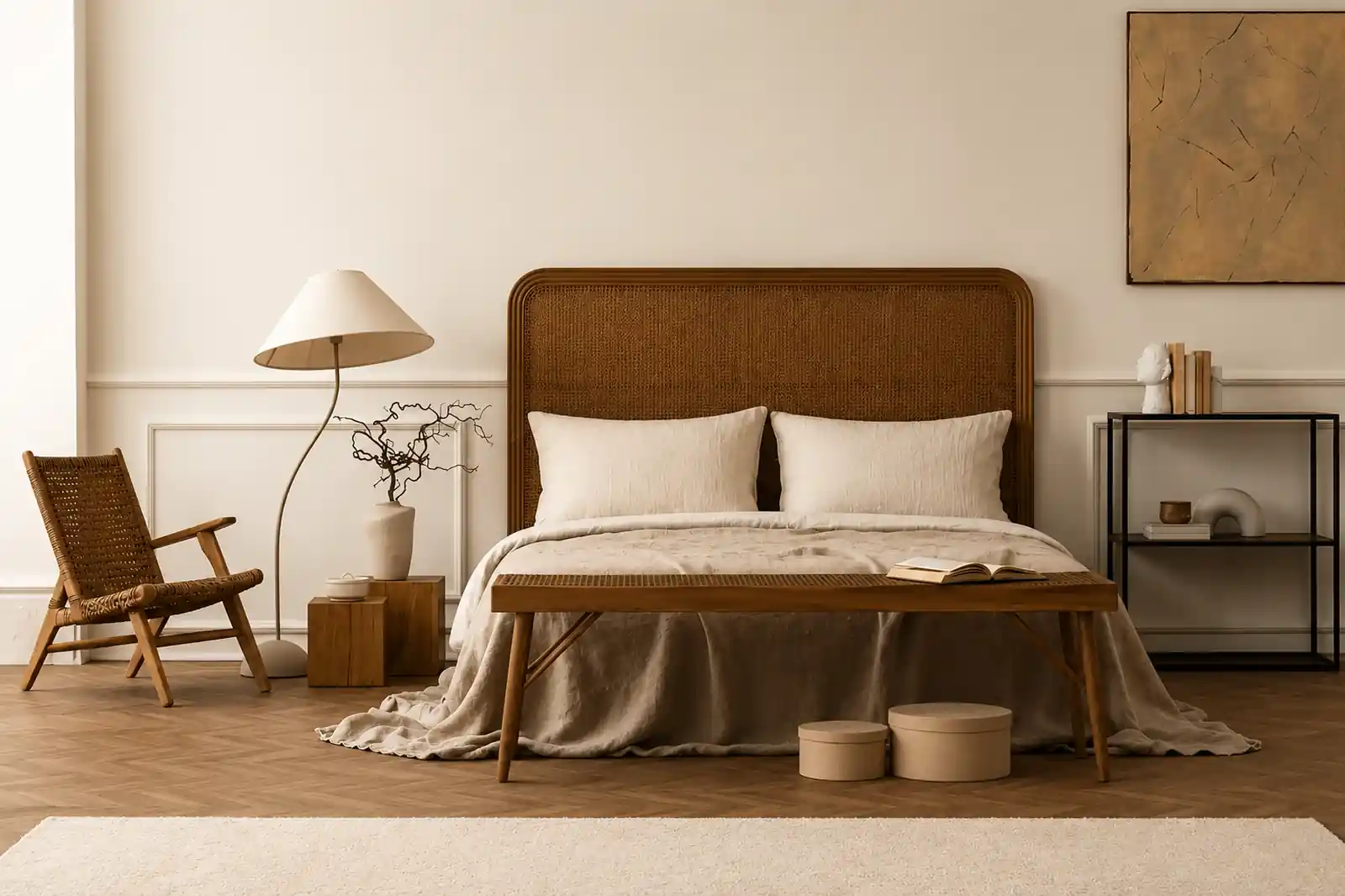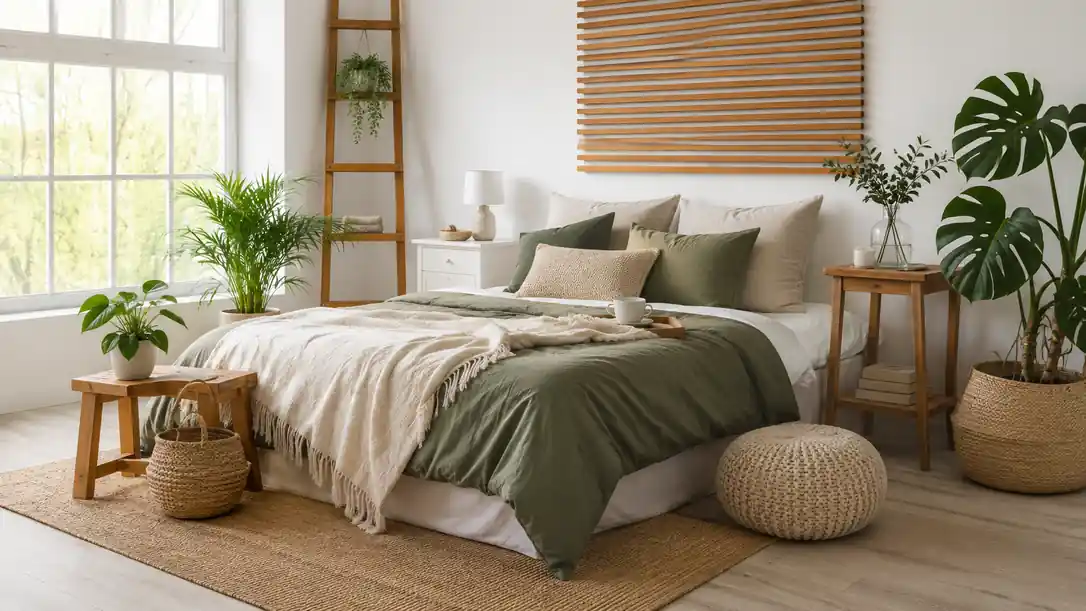
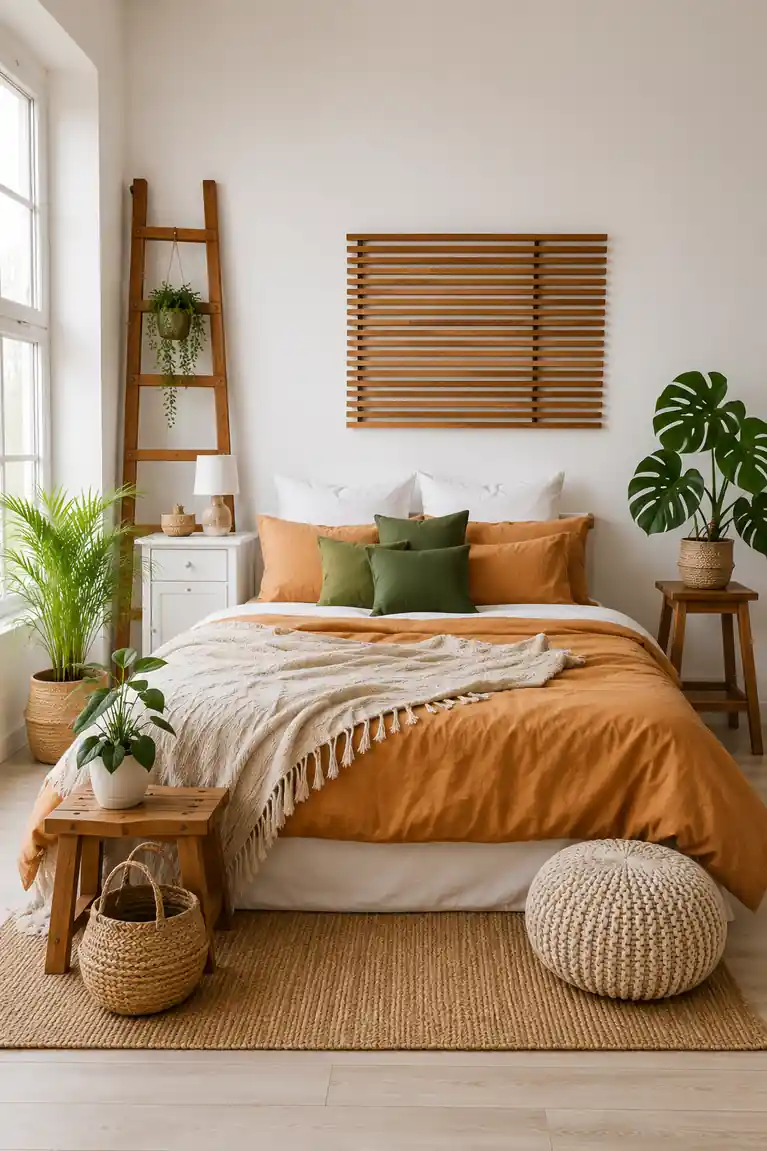



Bed position as per Vastu should focus on creating a layout that supports restful sleep and physical wellbeing. Sleeping with the head towards the south is considered most favourable, while east is a suitable alternative for students and young professionals. North-facing sleep should be avoided entirely, if possible. A well-planned bedroom can balance Vastu principles alongside practical lifestyle factors.
Sleep is when the body repairs itself, regulates hormones, and resets the nervous system. In spite of its importance, many people face some form of sleep disorder. A significant portion of the population just doesn’t get the quality sleep they need to recover their body every night.
There are numerous causes behind this issue, but one that is consistently overlooked is the environment where you sleep. Specifically, where and how the bed is positioned. Bed position as per Vastu addresses this exact issue.
In Vastu, the bedroom is treated as the home’s recovery zone. Every design decision within it is evaluated based on whether it supports or disrupts rest and physical wellbeing.
Bed position according to Vastu is based on the relationship between the human body’s own magnetic field and the earth’s. The direction the head points during sleep either aligns with or opposes these forces.
Over years of repeated exposure, the cumulative effect of a misaligned sleeping position is believed to show up as disrupted sleep cycles and general fatigue.
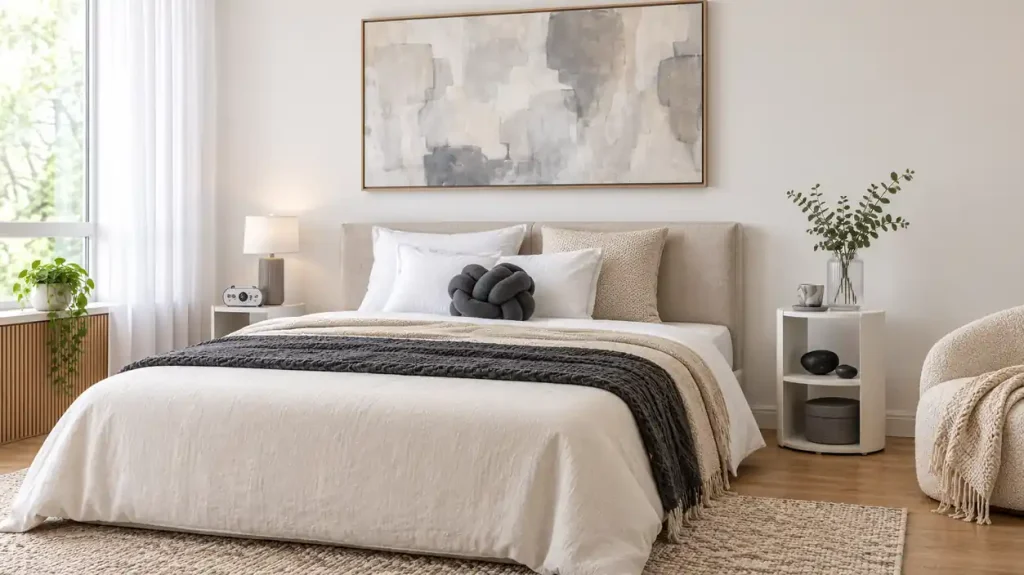
South is the most consistently recommended direction for the bed head position as per Vastu. Sleeping with the head toward the south aligns the body’s polarity with the earth’s magnetic field. Vastu associates south-facing sleep with deep, uninterrupted rest, physical stability, and longevity.
For most homeowners, bed position as per Vastu with the head pointing south is the primary goal. If the room layout supports it without compromising wardrobe access or ventilation, this should be the default choice.
According to Vastu, sleeping direction identifies east as the second most favourable option. East is associated with the rising sun, positivity, new energy, and mental clarity. It is particularly recommended for students or young professionals whose daily life requires cognitive focus.
East-facing sleep tends to produce a lighter, more energised quality of rest compared to the deeper, more restorative quality associated with the south. For older adults or those recovering from illness, east is not recommended.
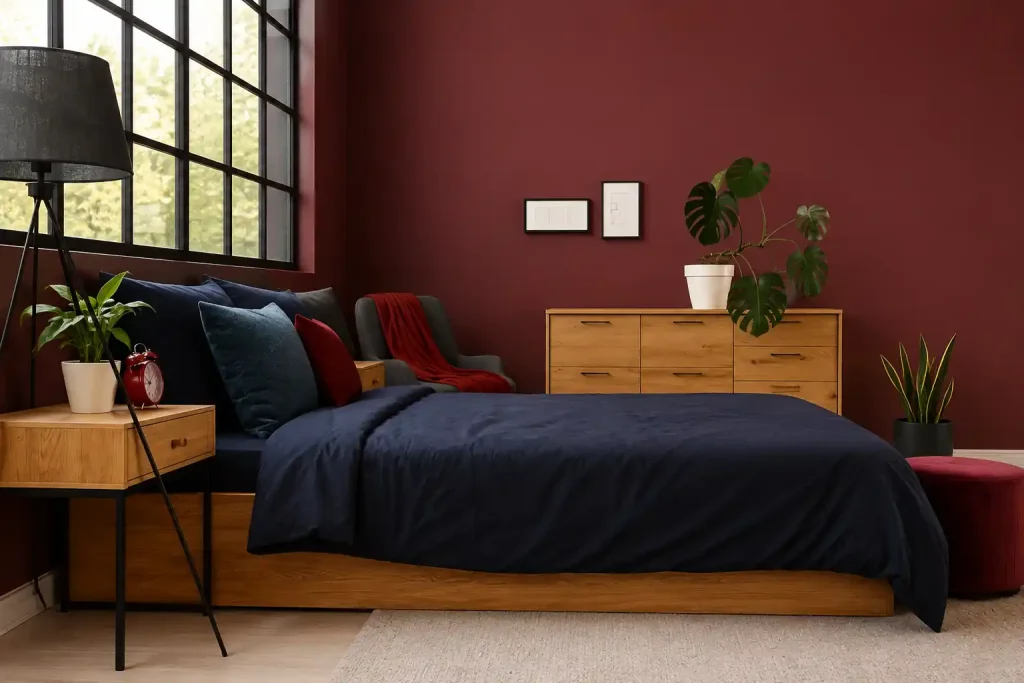
North is one of the least favourable directions for the bed position, as per Vastu. Sleeping with the head toward the north creates a magnetic opposition between the body and the earth’s field. Vastu associates this with restlessness, disturbed sleep, and over time, a gradual impact on physical health.
West is not considered actively harmful but is associated with overactive or vivid dreaming that reduces the restfulness of sleep. It is an acceptable fallback when south and east are genuinely not possible, but it should not be the first choice.
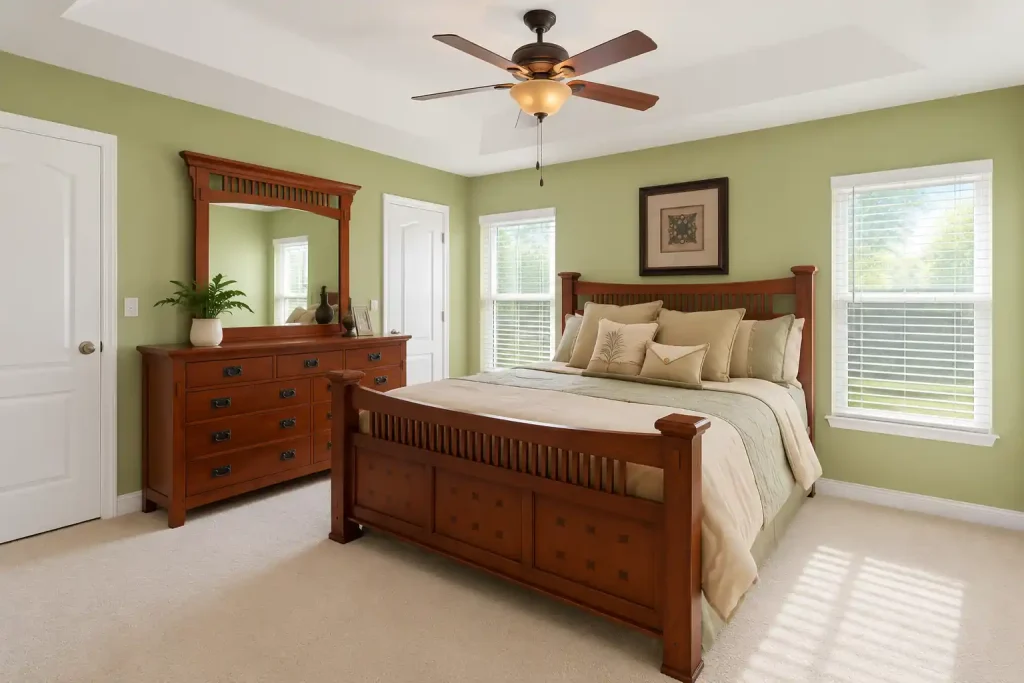
Direction of the head is the primary factor to consider when choosing the bed position in a bedroom, as per Vastu.
Other Vastu tips that are important include:
The bed should have full wall support at the head end, not a window, a door, or open space. A solid wall behind the headboard creates a sense of stability and support.
A bed positioned so the feet face the bedroom door is considered inauspicious across Vastu and other traditional frameworks. Where this alignment exists due to the room’s layout, a low bench or furniture piece at the foot of the bed can break the direct sightline.
At least 60 centimetres on each side of the bed allows for comfortable movement and prevents the room from feeling cramped. A bed pushed entirely against one wall is practically inconvenient and completely wastes one side of the room.
Sleeping under a structural beam is associated in Vastu with pressure and disrupted rest. Where the beam cannot be avoided, a false ceiling that conceals it is the standard remedy.
The guidelines for bed position, as per Vastu, are also the principles that a good bedroom design should follow. The two frameworks are more similar than most people think, which makes applying Vastu in a modern home all about thoughtful decision-making.
Bonito Designs incorporates bed position as per Vastu into the bedroom brief alongside room size, wardrobe placement, natural light, ventilation, and how the household uses the space. Our Life Design process considers all these variables before any layout is finalised, which is how we identify a bed position that satisfies both Vastu principles and practical liveability.
If you want your bedroom planned with this level of care, book a consultation with Bonito Designs today.